A pediatric dentist helps children maintain healthy teeth and gums by preventing, diagnosing, and treating oral health conditions from infancy through adolescence. Early professional care can identify tooth decay, gum disease, developmental concerns, and harmful oral habits before they require more extensive treatment, making preventive dentistry one of the most valuable investments parents can make in their child’s lifelong oral health.
Every stage of childhood brings new changes in oral development. From the eruption of a baby’s first tooth to the arrival of permanent teeth, children experience rapid growth that requires specialized dental care. While many parents schedule appointments only when their child experiences pain, most dental problems begin quietly and progress long before symptoms appear.
The healthiest smiles are usually built through prevention, not treatment. In our experience at Nipissing Dental, children who attend regular preventive visits often require fewer invasive procedures because small concerns are identified before they become larger problems.
For example, we frequently see children whose parents schedule routine dental checkup for kids appointments every six months. During these visits, early enamel changes can often be managed with fluoride therapy, improved oral hygiene, and dietary guidance—avoiding fillings altogether. These small preventive interventions can make a significant difference in a child’s long-term oral health.
According to the Canadian Dental Association (CDA), tooth decay remains one of the most common chronic childhood diseases in Canada, despite being largely preventable through regular professional care and healthy daily habits. Similarly, the American Academy of Pediatric Dentistry (AAPD) recommends that children visit a dentist by their first birthday or within six months after their first tooth erupts to establish healthy oral care routines early.
At Nipissing Dental, our philosophy extends beyond treating dental problems. We partner with families to educate parents, encourage healthy habits, and provide personalized preventive care that supports healthy smiles for years to come.
Key Takeaways
- A pediatric dentist specializes in preventing, diagnosing, and treating dental conditions unique to infants, children, and teens.
- Early dental visits can detect cavities, gum disease, bite problems, and harmful oral habits before they become serious.
- Preventive care—including routine checkups, fluoride treatments, sealants, and healthy home habits—helps reduce the risk of future dental problems.
- Many childhood oral health issues, such as thumb sucking and teeth grinding, can often be managed successfully when identified early.
- Regular dental care supports healthy tooth development, confident smiles, and better long-term oral health.
Why Early Visits to a Pediatric Dentist Matter
A pediatric dentist is specially trained to care for children’s developing teeth, jaws, gums, and oral tissues. Early visits allow dentists to monitor growth, identify concerns before symptoms appear, and provide preventive treatments that reduce the need for more extensive care later.
Unlike adult dentistry, pediatric dental care considers how growing teeth, jaw development, nutrition, and childhood habits influence lifelong oral health.
Regular examinations help identify:
- Early tooth decay
- Gum inflammation
- Delayed tooth eruption
- Bite and jaw development concerns
- Thumb sucking or pacifier-related changes
- Teeth grinding during sleep
- Enamel defects
- Dental injuries
- Orthodontic concerns
Perhaps most importantly, early appointments help children become comfortable visiting the dentist, reducing anxiety and creating positive lifelong associations with oral healthcare.
Tooth Decay and Cavities: Still the Most Common Childhood Dental Disease
Tooth decay occurs when bacteria in dental plaque produce acids that gradually weaken tooth enamel. Without treatment, this process can progress into cavities, infection, and even premature tooth loss.
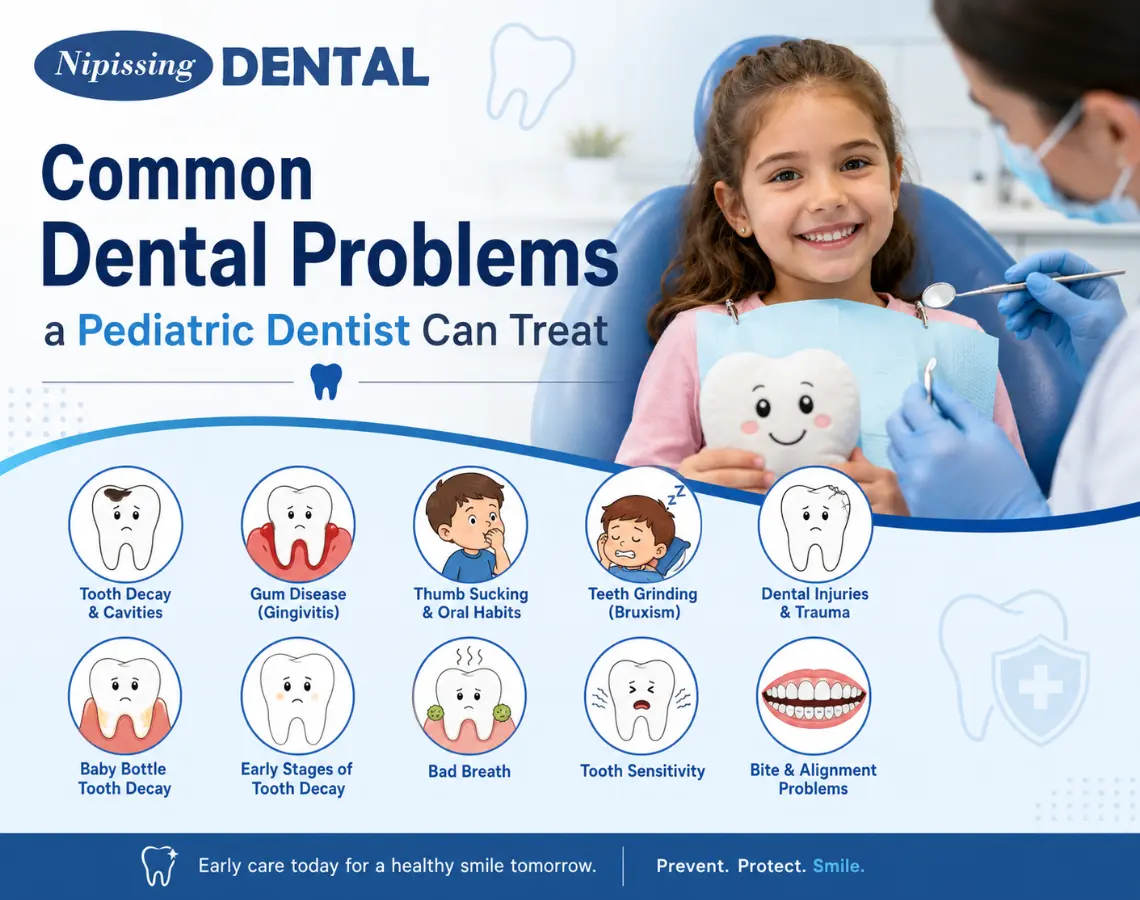
Among all the conditions treated by a pediatric dentist, tooth decay and cavities remain the most common.
Baby teeth have thinner enamel than permanent teeth, allowing decay to spread more quickly once it begins. Because early cavities are often painless, many parents don’t realize a problem exists until visible damage or discomfort develops.
Common early signs include:
- White chalky spots near the gumline
- Brown or black discoloration
- Sensitivity to cold foods
- Food frequently becoming trapped
- Bad breath
- Pain while chewing
- Swelling around a tooth
Ignoring cavities in baby teeth can affect more than just the tooth itself.
Healthy primary teeth help:
- Guide permanent teeth into position
- Support proper speech development
- Allow comfortable chewing
- Maintain jaw growth
- Reduce future orthodontic complications
Did You Know?
Children may develop cavities for months before feeling any discomfort. By the time pain occurs, decay has often reached the inner layers of the tooth, making treatment more complex than if it had been detected during a routine examination.
Understanding the Beginning Stages of Tooth Decay
The beginning stages of tooth decay often appear as white, chalky areas where minerals have been lost from the enamel. At this stage, damage may still be reversible through preventive treatment rather than fillings.
This early process, known as demineralization, is one of the most important reasons routine dental examinations matter.
A pediatric dentist may recommend:
- Professional fluoride varnish
- Improved brushing techniques
- Fluoride toothpaste recommendations
- Dietary modifications
- Regular monitoring
- Dental sealants for newly erupted molars
Research from the Centers for Disease Control and Prevention (CDC) shows that dental sealants can reduce cavities in permanent molars by nearly 80%, making them one of the most effective preventive treatments available for school-aged children.
Baby Bottle Tooth Decay: An Often Preventable Condition
Baby bottle tooth decay, also called early childhood caries, develops when infants’ teeth are frequently exposed to sugary liquids for extended periods—especially during sleep.
Many parents assume only candy causes cavities.
In reality, prolonged exposure to:
- Milk
- Formula
- Juice
- Sweetened drinks
can also contribute to tooth decay because natural and added sugars feed cavity-causing bacteria.
Common risk factors include:
- Sleeping with a bottle
- Frequent nighttime feeding after teeth erupt
- Sipping juice throughout the day
- Delayed oral hygiene
- Sharing utensils that transfer cavity-causing bacteria
Prevention Tips
- Clean your baby’s gums before teeth erupt.
- Brush as soon as the first tooth appears.
- Avoid putting babies to bed with bottles containing milk or juice.
- Offer water between meals.
- Schedule the first dental visit by age one.
Healthy Gums Matter More Than Most Parents Realize
Children can develop gum disease just as adults can. The earliest stage, gingivitis, is usually reversible when diagnosed early and treated with good oral hygiene and professional care.
Many people searching for a dentist for gum disease are surprised to learn that gum problems often begin during childhood.
Common symptoms include:
- Bleeding while brushing
- Red or swollen gums
- Persistent bad breath
- Tender gums
- Plaque buildup
- Receding gum margins (less common in children)
Fortunately, early intervention is highly effective.
Treatment usually includes:
- Professional cleaning
- Better brushing and flossing habits
- Nutrition counselling
- Regular monitoring
- Personalized oral hygiene instruction
Myth vs. Fact
| Myth | Fact |
|---|---|
| Baby teeth don’t matter because they fall out. | Healthy baby teeth guide permanent teeth and support speech, chewing, and jaw development. |
| Cavities always hurt. | Many early cavities develop without pain. |
| Children can’t get gum disease. | Gingivitis is common and often reversible with early treatment. |
| Brushing harder cleans better. | Gentle brushing with proper technique is more effective and protects the gums. |
Childhood Dental Problems at a Glance
| Dental Condition | Early Signs | Common Treatment | Can It Be Prevented? |
|---|---|---|---|
| Tooth Decay | White spots, sensitivity | Fillings or fluoride | Yes |
| Gingivitis | Bleeding gums | Professional cleaning | Yes |
| Baby Bottle Tooth Decay | Brown front teeth | Restorative treatment | Yes |
| Early Enamel Loss | White chalky areas | Fluoride therapy | Often |
Thumb Sucking and Its Effect on Developing Teeth
Thumb sucking is a normal self-soothing habit during infancy and early childhood. However, when the habit continues beyond the preschool years, it can affect the alignment of teeth and the growth of the jaw.
Many children naturally stop thumb sucking between the ages of two and four. If the habit continues after permanent teeth begin erupting, it may increase the risk of orthodontic problems.
Potential effects of prolonged thumb sucking teeth habits include:
- Front teeth that protrude outward
- An open bite where the upper and lower teeth do not meet
- Narrowing of the upper jaw
- Changes in speech development
- Difficulty chewing certain foods
- Increased need for orthodontic treatment later
The impact depends on three factors:
- Frequency – How often the child sucks their thumb.
- Duration – How long the habit continues each day.
- Intensity – How much pressure is placed on the teeth.
Fortunately, most children respond well to gentle encouragement and positive reinforcement.
Healthy Ways to Help Your Child Stop Thumb Sucking
Parents can support their child by:
- Praising progress instead of punishing setbacks
- Identifying situations that trigger the habit
- Offering alternative comfort methods
- Using reward charts for younger children
- Speaking with a pediatric dentist if the habit continues after age four or five
Teeth Grinding During Sleep in Kids (Bruxism)
Teeth grinding during sleep, also called bruxism, is relatively common in children. While many outgrow it naturally, persistent grinding should be evaluated to prevent excessive tooth wear and jaw discomfort.
Parents often discover the problem because they hear a grinding sound during the night rather than because their child complains of pain.
Possible causes include:
- Developing bite changes
- Emotional stress or anxiety
- Sleep disturbances
- Growing jaw muscles
- Airway or breathing concerns
- Misaligned teeth
Common symptoms include:
- Flattened or worn teeth
- Morning headaches
- Jaw soreness
- Tooth sensitivity
- Facial muscle fatigue
- Interrupted sleep
In many cases, no treatment is needed beyond observation.
However, if teeth grinding in sleep kids becomes frequent or begins damaging teeth, your dentist may recommend additional evaluation or monitoring.
Did You Know?
Children often outgrow mild bruxism as their jaws and bite continue to develop. However, persistent grinding accompanied by headaches, jaw pain, or noticeable tooth wear should always be professionally assessed.
Dental Injuries: Knowing When It’s an Emergency
Falls, sports, and playground accidents are common causes of dental injuries in children. Prompt treatment can often save a damaged tooth and reduce the risk of long-term complications.
Common dental emergencies include:
- Chipped teeth
- Cracked teeth
- Broken fillings
- Knocked-out permanent teeth
- Toothaches caused by infection
- Cuts to the lips or gums
- Loose teeth following trauma
What Parents Should Do Immediately
If a permanent tooth is knocked out:
- Hold the tooth by the crown—not the root.
- Rinse gently with clean water if necessary.
- Do not scrub the tooth.
- Keep it moist in milk or saliva.
- Contact a dentist immediately.
Time is critical. The sooner treatment begins, the greater the chance of saving the tooth.
Children who participate in hockey, soccer, basketball, gymnastics, or other contact sports should also wear a properly fitted mouthguard to reduce the risk of dental trauma.
Fluoride Treatments and Dental Sealants: Small Steps, Big Protection
Preventive treatments such as fluoride varnish and dental sealants provide additional protection against cavities, particularly for children at higher risk of tooth decay.
Fluoride Treatments
Fluoride helps strengthen enamel by replacing minerals lost during the early stages of tooth decay.
Professional fluoride treatments may be recommended for children who:
- Have had previous cavities
- Wear braces
- Have difficulty brushing effectively
- Consume sugary snacks frequently
- Show early signs of enamel weakening
When used as recommended by dental professionals, fluoride is considered both safe and effective.
Dental Sealants
Sealants are thin protective coatings applied to the chewing surfaces of molars.
They help prevent food and bacteria from collecting in deep grooves where toothbrushes cannot always reach.
Benefits include:
- Quick, painless application
- Long-lasting protection
- Reduced cavity risk
- No drilling required
According to the Centers for Disease Control and Prevention (CDC), sealants can reduce cavities in permanent molars by nearly 80%.
Nutrition Plays a Bigger Role Than Most Parents Think
Good oral health depends not only on what children eat, but also on how often they consume sugary foods and drinks.
One of the biggest misconceptions is that eating sugar alone causes cavities.
The frequency of sugar exposure often matters more than the total amount.
| Example | Less Healthy Habit | Better Alternative |
|---|---|---|
| Sipping juice throughout the day | — | Serve juice only with meals |
| Sticky candy between meals | — | Fresh fruit after lunch |
| Sugary bedtime snacks | — | Brush before bed and offer water |
| Frequent sweet drinks | — | Water or milk with meals |
Healthy eating habits include:
- Drinking fluoridated water
- Choosing cheese, yogurt, vegetables, and nuts for snacks (when age appropriate)
- Limiting sugary beverages
- Eating balanced meals instead of constant snacking
- Brushing after the final meal of the day
Preparing for the First Dental Visit
A positive first dental visit helps children develop confidence while allowing parents to receive personalized guidance for every stage of oral development.
The first dental visit for kids should occur by the first birthday or within six months of the first tooth erupting.
During the appointment, your dental team may:
- Examine the teeth and gums
- Monitor jaw and bite development
- Assess oral hygiene habits
- Discuss nutrition
- Evaluate fluoride needs
- Answer parents’ questions
How Parents Can Prepare
- Schedule appointments when your child is well-rested.
- Use positive language when discussing the dentist.
- Read children’s books about dental visits.
- Avoid using words like “hurt” or “needle.”
- Bring a favorite comfort item if needed.
Creating a calm, positive experience helps establish lifelong trust in dental care.
Dental Care in Milton: Supporting Healthy Smiles Close to Home
Families seeking dental care in Milton benefit from choosing a practice that prioritizes prevention rather than waiting for problems to arise. Routine examinations, personalized education, and timely treatment help reduce the risk of pain, emergency visits, and more complex procedures later.
Whether your child needs a routine examination, guidance for thumb sucking, monitoring for teeth grinding, or treatment for early cavities, consistent care from an experienced dental team provides the foundation for lifelong oral health. Explore our full range of dental services to see how we support every member of the family.
Parent Checklist: When Should You Schedule a Dental Visit?
If your child has any of the following, it’s time to arrange an appointment:
- White or brown spots on teeth
- Tooth sensitivity
- Bleeding gums
- Persistent bad breath
- Ongoing thumb sucking after age four
- Teeth grinding during sleep
- Chipped or broken tooth
- Pain while eating
- Facial swelling
- Delayed tooth eruption
Early evaluation often means simpler, more conservative treatment.
Conclusion
Children’s oral health is about much more than preventing cavities—it supports healthy growth, confident smiles, comfortable eating, and overall well-being. Many common concerns, including tooth decay and cavities, gum inflammation, thumb sucking teeth, and teeth grinding in sleep kids, develop gradually and may not cause noticeable symptoms until they become more advanced.
A pediatric dentist plays an essential role in identifying these concerns early, monitoring your child’s oral development, and guiding families with preventive, evidence-based care. Regular checkups, healthy daily habits, and early intervention can significantly reduce the need for more complex treatment in the future.
At Nipissing Dental, we are committed to helping families across Canada build lifelong oral health through compassionate, personalized dental care. Whether you’re planning your child’s first dental visit for kids, looking for preventive advice, or searching for a trusted family dental practice, our experienced team is here to support every stage of your child’s smile.
Ready to Book Your Child’s Dental Visit? Nipissing Dental, Milton ON
Give your child the foundation for a lifetime of healthy smiles. Schedule a preventive checkup or first dental visit today.
Frequently Asked Questions (FAQ)
Explore Our Related Services
- Dental Fillings in Milton — Restorative care for early or advanced tooth decay
- Dental Cleanings in Milton — Routine preventive checkups for the whole family
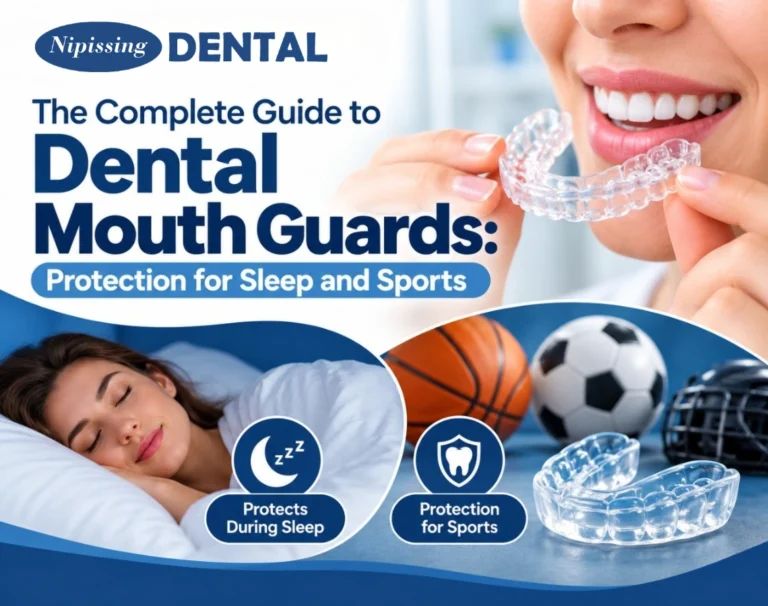
- Night Guards and Sports Guards in Milton — Protection for grinding, sports, and active kids
References & Trusted Sources
This article was developed using expert dental knowledge and validated against the following trusted health and dental authorities:
- American Dental Association (ADA) — Clinical guidance on pediatric preventive dentistry and oral health
- Canadian Dental Association (CDA) — Oral health resources for children
- Health Canada — Oral health and fluoride guidance
Additional sources referenced: American Academy of Pediatric Dentistry (AAPD), Guideline on Infant Oral Health Care; Centers for Disease Control and Prevention (CDC), Children’s Oral Health.